The numbers are striking: job seekers spend 11 hours every week looking for jobs, but only 2% of them get an interview call.
AI job search tools are changing these numbers fast. Smart AI technology cuts down application time by 70%. The technology analyzes and optimizes applications with up-to-the-minute data analysis to boost your interview chances.
The job market looks different now, and success requires new tools. AI job search tools reshape the scene as people hunt for their dream jobs. Automated application systems and smart cover letter generators lead this change.
AI shows a better path to job seekers tired of endless applications and generic rejection emails. This piece explains the quickest way to utilize AI technology for a smarter job search. You'll learn everything from automated systems to application material optimization.
Want to make your job search smarter with AI? Let's see how.
Understanding AI Job Search Tools
AI job search tools have changed the game completely. What started as basic resume scanners has now grown into smart platforms. These tools can do everything from sending out applications to helping you prep for interviews.
Types of AI Job Search Tools
Today's AI job search tools come in different shapes and sizes:
Application Automation Systems: Platforms that send out many applications while keeping them personal
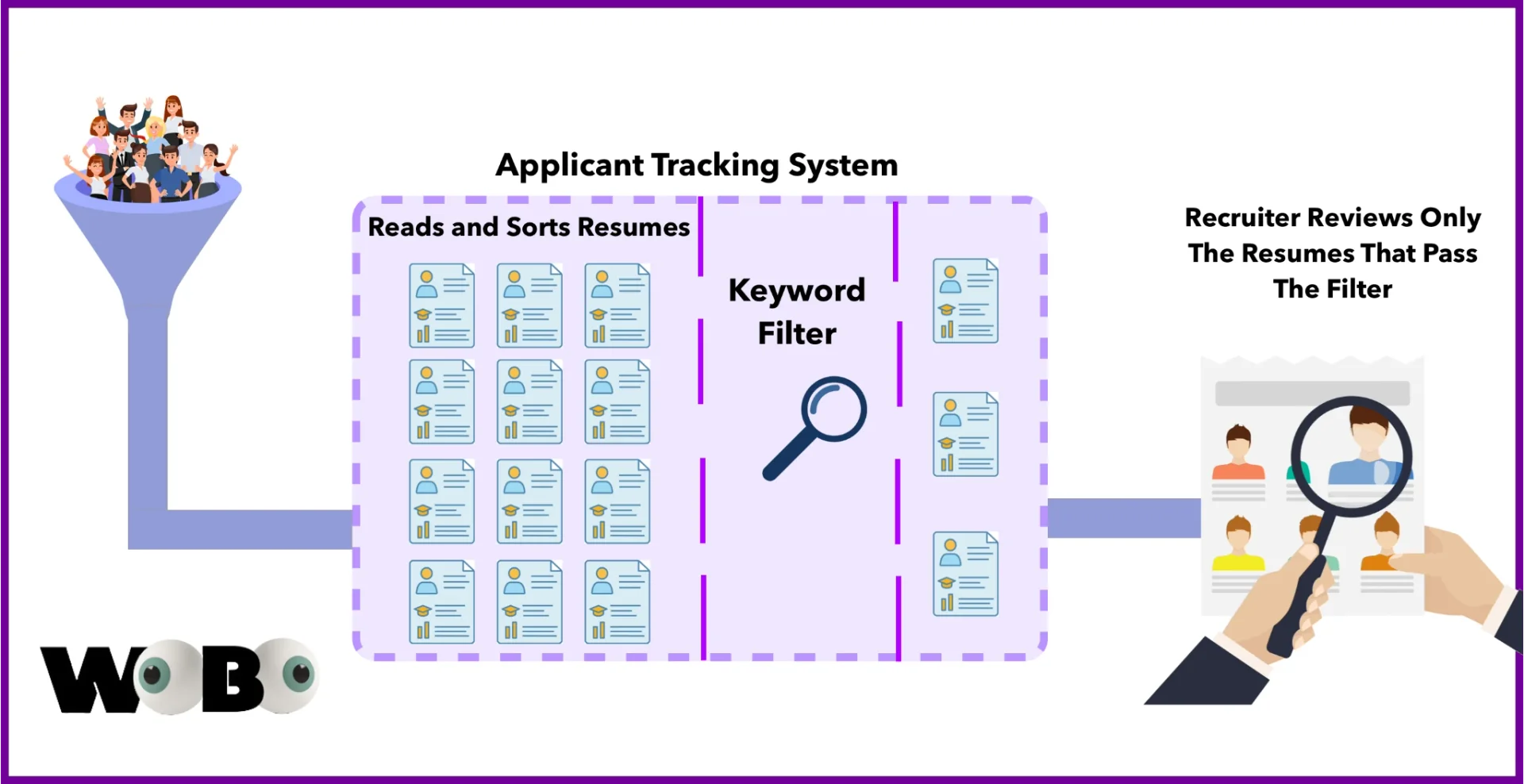
Resume Optimization Tools: AI tools that make your resume stand out to ATS systems
Interview Preparation Assistants: Virtual coaches that let you practice interviews
Networking Enhancement Tools: AI systems that help you find and connect with professionals
Job Matching Platforms: Smart algorithms that line up candidates with the right jobs
Benefits and Limitations
AI brings some great advantages to job hunting. People who use these tools get more interview calls and often land better salaries. The numbers back this up: 55% of candidates have gotten good feedback about their AI-improved applications.
Choosing the Right Tools
You need to think over a few things when picking AI job search tools. The best option should give you:
Detailed Integration: Pick platforms that do multiple things instead of using different tools for each task. This keeps your applications consistent and saves time.
Customization Options: Your tool should let you make things personal instead of spitting out generic content. This matters most for resumes and cover letters. For help crafting personalized cover letters, our complete cover letter guide breaks down the process.
Security Features: Job search data is sensitive, so reliable privacy protection is vital. Good platforms keep your data safe without sacrificing features.
Learning Algorithms: The best tools learn from your feedback and results. They get better at giving you recommendations over time.
The best results come from platforms that do it all: from sending applications to interview prep. Modern tools cover all these bases and make your job search smooth and effective while keeping that human touch employers love.
🚀 Stop Applying Manually
AI scans the job market 24/7, finds matching roles, and applies with tailored content
Automate My Job Search →★ 4.7/5 on Reviews.io
Setting Up Your AI Job Search System
A good AI-powered job search system needs the right tools, smart data management, and solid security measures. The right setup will cut down your job application time and boost your success rates.
Essential AI Tools Configuration
The right AI job search system starts with the proper tool setup. You need platforms that give you detailed features while protecting your privacy. Tired of sending endless applications manually? AI Job Application Bot handles this automatically, applying to matching positions while you focus on preparation.
These steps will help you get the best results:
Complete Your Profile: Start by filling out your profile with your personal information, work experience, education, personality questions, and job preferences. Be as detailed as possible! This information helps AI create your unique persona.
Define Your Ideal Job: What kind of role are you looking for? Use the job preferences section to specify your desired job title, salary expectations, preferred location, company size, and remote work options.
Let AI Build Your Persona: Advanced AI will analyze your information and create a detailed persona that captures your skills, experience, and personality. This persona is the key to finding the perfect job match for you.
Supercharge Your Cover Letter: Want to write your own cover letter but need a starting point? You can use our AI Cover Letter Generator to create a personalized draft that you can easily edit and refine to perfection. Or let AI handle it entirely, the choice is yours!
Perfect Your Resume: Upload your existing resume, and the AI Resume Builder will analyze it for errors, suggest improvements, and optimize it for Applicant Tracking Systems (ATS), ensuring it gets noticed by recruiters. Learn more about creating an ATS-friendly resume that passes digital screening.
Track Your Progress: Your dashboard provides complete transparency into the jobs you've applied for and the AI-generated responses so you can stay informed and interview-ready.
Data Organization Strategy
Smart data management plays a vital role in your job search process. A well-laid-out approach helps AI tools adapt to your priorities and keeps your application quality high.
Your data organization should have:
Categorized job descriptions by industry and role
Standardized resume versions for different positions
Structured application tracking system
Organized networking contacts database
Documented interview feedback and outcomes
Privacy and Security Considerations
The digital world demands the protection of personal information during job searches. Studies show cyberattacks on HR systems grow by 30% each year, making security a top priority.
You need strong security measures with your AI tools. This means using end-to-end encryption for data transmission and role-based access control for sensitive information. Modern platforms come with advanced security features that protect your data during automated applications. What sets quality platforms apart is their commitment to keeping your data exclusively on secure servers without relying on third-party tools or services, ensuring complete control and protection of your information.
Personal data needs careful handling; it's valuable but requires limited sharing. This approach helps minimize data exposure while getting the most from AI-powered job search tools.
Your security stays strong when you regularly check your AI tools' privacy settings and keep tight control over data sharing permissions. Make sure to review terms of service about data retention and set up multi-factor authentication where possible.
These strategies build a resilient foundation for an efficient, secure AI-powered job search system. The right balance between automation and privacy protection will maximize your chances of success while keeping your personal information safe.
Automating Job Applications
Job seekers now realize that automation helps them manage multiple job applications better and maintain high standards. AI tools cut down time spent on repetitive tasks and boost their success rate.
Setting Up Auto-Apply Systems
The right AI-powered platform is the foundation of automated job applications. Modern systems streamline the entire process with a detailed solution. Job seekers can build their automated system through these simple steps:
Tell Us About You: Share your experience, skills, and career goals.
Describe Your Dream Job: What kind of role are you looking for?
That's it! The platform takes care of the rest. It finds the perfect jobs for you and handles the entire application process. You relax, it applies.
Customizing Application Parameters
A well-customized automation system keeps applications personal and relevant. The best AI job search tools let users adjust their application settings to get optimal results.
Key customization features include:
Keyword matching priorities for job descriptions
Company size and industry filters
Application timing controls
Custom response templates for common questions
Automated resume tailoring based on job requirements
Smart matching systems keep each automated application personal while saving job seekers valuable time. If you're looking for the best platforms, our AI job search tool comparison breaks down the top options.
Tracking Application Status
Even when applying manually, staying organized is key. Use a simple spreadsheet or app to track:
Job Title & Company: Keep track of where you've applied.
Date Applied: Note the date for follow-up.
Application Method: (e.g., online, email, referral)
Status: (e.g., Applied, Interviewed, Rejected)
Notes: Record any important details or next steps.
This simple system helps you manage your applications, follow up strategically, and analyze your progress.
When you use advanced platforms, you get an automatic tracking system built-in. Your Job History page shows every job you've applied for and the status of each application. It even lets you review the AI-generated resume, cover letter, and answers created for you. It's like having a personal assistant for your job search!
Optimizing AI-Generated Content
AI-generated content quality can make the difference between landing an interview or being overlooked in today's competitive job market. AI tools make the application process smoother, and optimizing their output is vital to stand out from other candidates.
Resume Enhancement Techniques
Success with AI-powered resume enhancement depends on how well you guide these tools. Advanced AI systems use proprietary AI models to turn simple resume content into powerful, industry-specific documentation. Job seekers can boost their resume's effectiveness through several proven techniques:
Industry-specific keyword optimization
Metrics-driven achievement statements
Technical terminology alignment
Professional tone calibration
Automated format optimization
Smart algorithms analyze successful resumes across industries to ensure the enhanced content lines up with employer expectations without losing authenticity. For a deeper dive into resume writing with AI, check out our comprehensive AI resume writing guide.
Cover Letter Customization
Modern AI tools have moved beyond simple templates for cover letters. They now create tailored cover letters that showcase both candidate experience and specific job requirements. AI Cover letter generators achieve this by analyzing the following:
Job description keywords and requirements
Company culture and values
Industry-specific terminology
Candidate's unique experiences
Professional accomplishments
Advanced algorithms ensure each cover letter sounds natural and engaging while highlighting relevant qualifications. This mix of automation and personalization has helped candidates achieve a 30% higher response rate compared to traditional methods. Wondering about the right length? Our guide on ideal cover letter length provides clear answers.
Application Material Quality Control
Quality control remains essential even though AI tools excel at content generation. A combination of automated checks and human oversight works best. Sophisticated quality control features help candidates meet the highest standards.
Quality control should target three areas: content accuracy, formatting consistency, and tone appropriateness. Built-in quality assurance automatically flags potential issues and suggests improvements based on industry best practices.
Candidates should use AI-powered proofreading tools to catch grammatical errors, spelling mistakes, and formatting inconsistencies. These tools complement human review to ensure all application materials look professional and communicate qualifications effectively.
Built-in features include automated plagiarism detection and AI content detection prevention. This ensures materials pass through modern applicant tracking systems (ATS) while staying authentic. This complete approach to quality control helps candidates present themselves professionally and improves their chances in the competitive job market.
Leveraging AI for Interview Prep
Gone are the days of practicing interview questions in front of the mirror. AI-powered tools are transforming how candidates prepare, offering interactive experiences and data-driven insights.
Mock Interviews: Simulate real interviews with AI that provides feedback on your answers, body language, and even your tone of voice.
Answer Analysis: Get detailed feedback on your responses, identifying areas for improvement in content, clarity, and conciseness.
Personalized Question Banks: Practice with questions tailored to your target job and industry.
Behavioral & Technical Coaching: Develop strong answers to tricky behavioral questions and brush up on technical concepts.
With AI, you can walk into any interview feeling confident and prepared. For specific questions you'll likely face, our guide on best questions to ask interviewers helps you prepare smart responses.
AI Interview Practice Tools
Modern AI-powered interview practice tools give candidates detailed preparation capabilities. Advanced interview simulation systems provide immediate support and guidance, even when answering unexpected questions. The platform's key features include:
Industry-specific question databases
Real-time voice transcription
Personalized feedback delivery
Performance analytics dashboard
Custom scenario generation
These tools have shown remarkable results. Users report a 150% increase in interview confidence and substantially higher offer rates compared to traditional methods.
Response Generation and Refinement
AI-powered response generation has grown beyond basic question-and-answer templates. Modern systems review industry trends, company requirements, and candidate backgrounds to create customized responses that strike a chord with interviewers. Response refinement systems use innovative algorithms to help candidates:
Analyze question intent and context
Generate relevant examples from experience
Optimize response structure and delivery
Incorporate industry-specific terminology
Adjust communication style based on role requirements
The platform gives real-time guidance, so candidates stay authentic while delivering polished, professional responses. This approach has helped users achieve a 70% higher success rate in technical and behavioral interviews. One of the most common questions you'll face is "tell me about yourself." Our guide on answering tell me about yourself provides proven frameworks.
Non-verbal Communication Analysis
The most innovative advancement in AI interview preparation is knowing how to analyze and improve non-verbal communication cues. Modern AI systems now process and review subtle aspects of communication that often separate good interviews from great ones.
The technology gets into various behavioral indicators:
Voice patterns and tone modulation
Speech cadence and pacing
Emotional engagement levels
Conversation flow and turn-taking
Response timing and delivery
The system's sentiment assessment helps candidates understand how others might notice their responses. They can adjust their delivery to maximize impact. This feature works especially well for remote interviews where traditional body language cues might be harder to spot.
Industry data shows candidates who use AI-powered non-verbal communication analysis are 1.2 times more likely to receive positive feedback on their interview presence and engagement. The technology provides objective feedback on these subtle yet significant aspects of communication, changing how candidates prepare for interviews.
AI-powered detailed interview preparation gives candidates more confidence and a better understanding of what to say and how to say it. These advanced tools have set a new standard where evidence-based insights combine with personalized coaching to enhance every part of the interview experience.
🚀 Stop Applying Manually
AI scans the job market 24/7, finds matching roles, and applies with tailored content
Automate My Job Search →★ 4.7/5 on Reviews.io
Measuring and Improving Results
Getting a job today takes more than just sending applications. Smart job seekers use data to measure and boost their results. AI tools help candidates track their progress and fine-tune their strategy to get better results.
Key Performance Metrics
The right metrics are the foundations of a successful AI job search strategy. Detailed analytics dashboards help candidates track essential performance indicators that directly boost their success rate:
Metric Category: Application Efficiency — Response Rate — Target: 25-35%
Metric Category: Content Quality — ATS Pass Rate — Target: 80-90%
Metric Category: Interview Success — Interview Conversion — Target: 40-50%
Metric Category: Overall Performance — Job Offer Rate — Target: 15-20%
Research shows that candidates who use AI-powered tracking systems are 80% more likely to get interviews compared to traditional methods. These metrics give actionable data that helps refine and optimize strategy.
A/B Testing Strategies
AI job search platforms let candidates test different approaches to find what works best. Testing features help users optimize various elements of their job search:
Content Variation Testing
Resume formats and structures
Cover letter writing styles
Application timing patterns
Application Question Responses
Response Analysis
Employer engagement rates
Interview invitation frequency
Salary negotiation outcomes
Offer acceptance patterns
Smart algorithms analyze test results and suggest improvements that help users achieve up to 70% higher engagement rates with potential employers. Once you start receiving offers, our salary negotiation scripts help you maximize your compensation.
Continuous Optimization
The AI-driven job market needs constant refinement and adaptation. Continuous optimization systems help candidates perform at their best through:
Data Quality Management:
Regular content freshness updates
Automated keyword optimization
Performance trend analysis
Market response tracking
Advanced algorithms learn from successful applications, which helps users maintain a 56% higher success rate compared to traditional methods. This systematic approach helps candidates keep up with market trends and employer priorities.
Research proves that job seekers who use AI tools for continuous optimization spend 40% less time finding jobs and receive 35% higher salary offers. Smart systems spot areas for improvement and suggest targeted updates based on immediate market data.
The detailed tracking system monitors key indicators throughout the job search process, from the first application to the final offer negotiation. This informed approach helps candidates make better decisions about their strategy while focusing on activities that matter most.
AI tools help modern job seekers substantially improve their success rates through smart testing and continuous optimization. Advanced analytics and optimization features give the insights needed to direct your path through the competitive job market, helping you reach your career goals faster than ever.
Conclusion
AI-powered job search tools have changed how people find and land their dream jobs. Job seekers now get better results quickly. Their applications stand out more thanks to smart automation that optimizes the process.
Smart candidates know that AI tools give them an edge over others. These platforms cut down application time by 70% while keeping the personal elements that employers need. The data proves it: people using AI systems get more interviews and negotiate better salaries compared to traditional job hunters.
Getting ahead in today's job market means using smart tools and analytical insights, exactly what AI platforms deliver. The job search landscape has evolved, and artificial intelligence is leading the way. Candidates who welcome these tools stay ahead of others and find their ideal roles faster than ever.

Stop Applying Manually
- ✓AI scans the job market for you 24/7
- ✓Applies with tailored content on company sites
- ✓You focus on interviews, we handle applications